About Clivia Lily toxicity
Clivia Lily (Clivia spp.) is marked as potentially toxic to cats, dogs in the Plants4Pets database. Keep this plant out of reach of curious pets and read the species-specific notes below.
Photos of Clivia Lily (Clivia spp.)
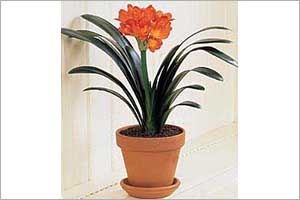
Is Clivia Lily toxic to cats, dogs or horses?
-
Cat Toxic Not verified
Vomiting, salvation, diarrhea; large ingestions cause convulsions, low blood pressure, tremors and cardiac arrhythmias. Bulbs are the most poisonous part. Toxic principles: Lycorine and other alkaloids
-
Dog Toxic Not verified
Vomiting, salvation, diarrhea; large ingestions cause convulsions, low blood pressure, tremors and cardiac arrhythmias. Bulbs are the most poisonous part. Toxic principles: Lycorine and other alkaloids
-
Horse Unknown Not verified
Community confirmations show that other users find this rating helpful. They are not verified by our team.
Clivia Lily plant details and common names
Family: Amaryllidaceae
Also known as: Kaffir Lily, Clivies, Caffre Lily, Cape Clivia, Klivia
Safety advice if a pet eats Clivia Lily
Many popular houseplants and garden species can cause vomiting, drooling, skin irritation or more serious symptoms when chewed by cats, dogs or horses. The information on this page is for educational purposes and does not replace a veterinary consultation.
If your pet has eaten any part of Clivia Lily (Clivia spp.), note the amount ingested, watch for unusual behaviour and contact a veterinarian or pet poison helpline immediately.
Found outdated or incorrect data? Use the report form below or e-mail kontakt@plants4pets.pl with the plant name, species affected and your source — we review every submission.
FAQ: Clivia Lily and pet toxicity
- Is Clivia Lily toxic to cats?
- Yes. According to Plants4Pets, Clivia Lily is toxic to cats. Vomiting, salvation, diarrhea; large ingestions cause convulsions, low blood pressure, tremors and cardiac arrhythmias. Bulbs are the most poisonous part. Toxic principles: Lycorine and other alkaloids This entry has not been manually verified yet — treat it as guidance only.
- Is Clivia Lily toxic to dogs?
- Yes. According to Plants4Pets, Clivia Lily is toxic to dogs. Vomiting, salvation, diarrhea; large ingestions cause convulsions, low blood pressure, tremors and cardiac arrhythmias. Bulbs are the most poisonous part. Toxic principles: Lycorine and other alkaloids This entry has not been manually verified yet — treat it as guidance only.
- Is Clivia Lily toxic to horses?
- We do not have confirmed toxicity data for Clivia Lily and horses yet. Keep the plant out of reach until more information is available. This entry has not been manually verified yet — treat it as guidance only.
- Which pets are most at risk from Clivia Lily?
- Our database flags Clivia Lily as toxic to: cats, dogs.
- What should I do if my pet eats Clivia Lily?
- Remove remaining plant material, do not induce vomiting unless a vet instructs you to, and seek professional help immediately with the plant name ready.
Report an error or missing data
Help us keep this page accurate. You can report wrong toxicity ratings, missing plants, outdated photos or spelling mistakes.
- Wrong toxicity for a cat, dog or horse
- Missing or incorrect plant name
- Better photo or source link
- Additional veterinary or botanical reference
Include the plant name (Clivia spp.), affected pet species and, if possible, a link to your source. We usually respond within a few business days.